

Alabama is a region rich in heritage, culture, and customs, making it a fascinating destination for road trips. From the picturesque landscapes to the vibrant cities, the state's legacy is deeply rooted in its past, creating a distinct tapestry that reflects both its challenges and victories. Visitors can expect to encounter quaint towns, notable historical sites, and a warm Southern hospitality that welcomes all who come.
As we journey through Alabama's storied land, we will also explore the flourishing business scene, which is supported by a varied array of corporations. The state's robust business directory showcases numerous Alabama corporations, highlighting the roles of registered companies that play a vital role in the local economy. Gaining insight into the environment of Alabama state corporations provides insight into how tradition and innovation intertwine, offering a glimpse into the prospects of business in this remarkable state.
Overview of Alabama Corporations
The state of Alabama is home to a diverse range of corporations that play a role a major role to the state's economic growth. The state provides a conducive climate for companies due to its strategic location, business-friendly tax structure, and access to a skilled workforce. Corporations in Alabama span various industries including manufacturing, technology, healthcare, and agriculture, which reflect the state's abundant resources and innovative spirit.
The Alabama business directory serves as a crucial resource for both established and startup businesses. It offers extensive listings of Alabama licensed businesses, helping startup founders and investors connect with local businesses and prospective partners. This directory highlights the dynamic corporate landscape of Alabama, highlighting firms that impact the job market and drive economic growth throughout the region.
Registered companies in Alabama must follow certain regulations and compliance requirements. The state ensures that these corporations operate within legal frameworks, promoting openness and integrity. As a result, businesses gain a structured system that fosters confidence and encourages the growth of new ventures while also sustaining the success of current enterprises.
Historical Perspective on Commerce in Alabama
Alabama's business landscape has evolved notably over the centuries, rooted in a deep history that captures both the struggles and triumphs of its citizens. The state's economic foundation was initially built on agrarian practices, with cotton being the primary crop in the 19th century. This dependence on agrarian practices shaped not only the financial system but also the cultural structure of the region. Agricultural estates flourished, and the employment pool, unfortunately, was supported by forced labor, which led to lasting social and economic problems that are ongoing today.
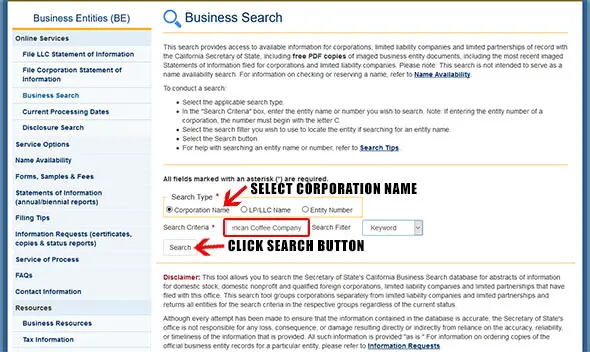
With the arrival of the Industrial Revolution, Alabama initiated to transition beyond its farming roots. california entity search tool online of plentiful natural resources, such as energy resources and metal ores, enabled for the growth of manufacturing and large-scale industries. Cities like Birmingham emerged as industrial hubs, where firms flourished and thousands sought employment. The establishment of Alabama companies during this time marked a transition towards a more diversified economy, preparing for the long-term development of multiple industries, including textiles, steel, and more recently, technology and aviation.
In the contemporary era, the dynamics of business in Alabama continue to evolve, shaped by international trade and technological advancements. The state's business landscape now shows a broad mix of both traditional industries and cutting-edge startups. The rise of Alabama business registrations highlights the rising importance of entrepreneurship and local enterprises in a changing economic environment. This transformation illustrates not only the strength of Alabama's economy but also its capacity for adaptation, making it a compelling case study of historical development in the landscape of American business.
Key Industries and Corporate Entities
Alabama is home to a varied array of industries that contribute significantly to its financial framework. Key sectors include fabrication, aviation , automotive, and farming. The state has established itself as a center for major automotive manufacturers, with companies like Mercedes-Benz, Honda Motor Co., and Hyundai Motor Company operating large production facilities. This production prowess not only generates jobs but also draws in a system of suppliers and support businesses, making it vital to Alabama's overall economic landscape.
In addition to production, the aerospace industry plays a significant role in Alabama's business environment. With the presence of key entities such as Boeing and Northrop Grumman Corporation, the state has become a center for aviation developments and production. This industry thrives due to Alabama's ideal location and facilities, which makes it easier for companies to function effectively while developing partnerships with local research institutions and universities.
Alabama's business directory displays a rich variety of registered corporations, from small family-owned businesses to major multinational corporations. The state's economic development initiatives continuously support the growth of new enterprises by providing resources and incentives for entrepreneurs. As bizapedia california llc search , registered corporations in Alabama cover across multiple sectors, enhancing the state's reputation as a commerce-supportive environment that honors tradition while embracing modern economic practices.
Exploring the Bama Business Register
Exploring the Alabama commerce register can greatly enhance your insight of the varied business landscape within the region. From small enterprises to big registered corporations, the register offers a comprehensive tool for anyone interested in discovering commerce opportunities in Bama. Here, you can find comprehensive information about Alabama companies, including their status state, industry classification, and contact details, making it more convenient to connect with various businesses.
One of the unique aspects of the Bama commerce register is its focus on transparency and openness. This resource is particularly important for those seeking to form partnerships or conduct market research. By examining the list of Alabama registered companies, businesspeople and experts can identify possible competitors and collaborators, allowing for more informed decision-making in their commerce efforts.
As you investigate the register, be prepared to find a diversity of industries represented, from tech and manufacturing to healthcare and agriculture. This variety highlights the region's vibrant business heritage and continuing development. Whether you are a resident, prospective investor, or just a interested traveler, the Alabama commerce directory serves as a key resource to uncovering the flourishing entrepreneurship spirit that characterizes the Heart of Dixie.
Present Developments in Alabama's Corporate Environment
The state of Alabama's corporate landscape has seen considerable evolution in recent years, driven by a increasing focus on creativity and digital industries. Countless Alabama corporations have begun investing heavily in research and development, which has resulted in the rise of tech startups and technology hubs in cities like Montgomery and Birmingham. This change not just transforming established sectors but also attracting expertise and investment from across the nation, signaling a shift toward a more comprehensive economic framework.
Another notable development is the rise of sustainable energy companies and sustainable business practices among registered corporations in the state. With an growing emphasis on environmental sustainability, businesses are adopting more sustainable technologies and practices to reduce their environmental impact. This move is supported by both consumer demand for eco-friendly products and state initiatives designed to supporting greener energy solutions, positioning Alabama as a possible leader in this vital sector.
Furthermore, the business directory for Alabama remains more comprehensive, reflecting the state's commitment to supporting small and diverse-owned enterprises. This acceptance is paving the way for a more just corporate ecosystem, where diverse businesses have increased access to capital, networking opportunities, and funding. As Alabama moves forward to embrace these changes, the state is poised to strengthen its economic growth and enhance its standing as a promising environment for both established corporations and growing startups.